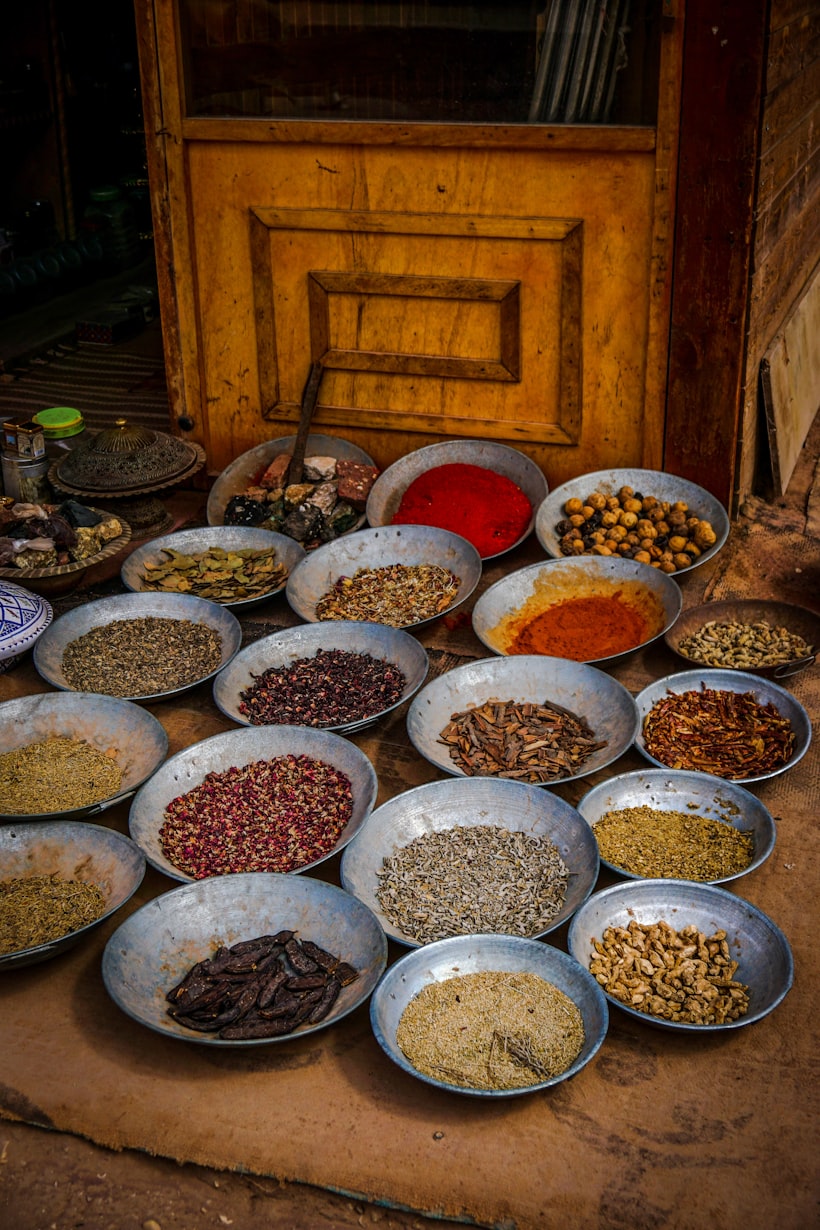
India is the world's largest producer, consumer, and exporter of spices — supplying over 75% of the global spice trade. But beyond flavour and aroma, Indian spices have been used for millennia in Ayurvedic medicine for their profound healing properties. Modern science is now catching up, validating what ancient wisdom has long proclaimed.
"India exports over 1.5 million tonnes of spices annually to more than 180 countries. Each spice carries its own unique profile of bioactive compounds with clinically studied health benefits."
India's 10 Most Beneficial Spices
1. Turmeric (Haldi)
Contains curcumin — a powerful anti-inflammatory and antioxidant. Supports joint health, immunity, and brain function.
2. Cumin (Jeera)
Aids digestion, reduces bloating, and is rich in iron. Stimulates digestive enzymes to improve nutrient absorption.
3. Cardamom (Elaichi)
Freshens breath, supports digestion, and has antimicrobial properties. May lower blood pressure.
4. Black Pepper (Kali Mirch)
Piperine enhances nutrient absorption (especially curcumin), improves digestion, and has antioxidant effects.
5. Coriander (Dhaniya)
Both seeds and leaves support blood sugar regulation, digestive health, and have antibacterial properties.
6. Ginger (Adrak)
Potent anti-nausea agent, reduces inflammation, supports immunity, and improves circulation.
7. Cinnamon (Dalchini)
Helps regulate blood sugar levels, reduces LDL cholesterol, and has powerful antibacterial properties.
8. Fenugreek (Methi)
Supports blood sugar control, reduces cholesterol, and is traditionally used to boost milk production in nursing mothers.
9. Cloves (Laung)
Among the highest antioxidant-content spices. Natural anaesthetic (eugenol), supports liver health.
10. Mustard Seeds (Rai)
Rich in selenium and omega-3. Anti-inflammatory, supports metabolic function, and heart health.
Spotlight: Turmeric — India's Golden Healer
No spice has received more scientific attention in recent years than turmeric. The active compound curcumin has been the subject of thousands of peer-reviewed studies exploring its role in:
- Reducing chronic inflammation — the root cause of many modern diseases
- Supporting brain health and potentially reducing Alzheimer's risk
- Powerful antioxidant action — neutralising free radicals
- Improving endothelial function — supporting heart health
- Natural pain relief comparable to over-the-counter analgesics
The key to maximising turmeric's benefits: always consume it with black pepper. Piperine in black pepper increases curcumin absorption by up to 2,000%. A healthy fat source further enhances bioavailability.
Spotlight: Cardamom — The Queen of Spices
While black pepper earns the title "King of Spices," cardamom is India's other royal spice. Premium green cardamom pods contain volatile oils — primarily 1,8-cineole — that account for their intense aroma and health properties. Studies have shown cardamom can help lower blood pressure, reduce anxiety, and improve oral health.
How to Get the Most from Your Spices
- Buy whole, grind fresh: Whole spices retain their volatile oils far longer than pre-ground powders
- Store in airtight containers: Away from heat, light, and moisture
- Check freshness: Quality spices should have intense aroma — if you barely smell it, it has lost potency
- Bloom in oil: Adding whole spices to hot oil at the start of cooking releases their full flavour profile
- Source matters: Adulterated spices are a serious concern in India — always buy from trusted, lab-tested suppliers
"At HEXA Food, every batch of spices is independently lab-tested for purity, colour value, volatile oil content, and the absence of adulterants and pesticide residues."
Building Your Spice Cabinet
A well-stocked spice cabinet is both a health asset and a culinary toolkit. Start with the essentials — turmeric, cumin, coriander, cardamom, black pepper, and garam masala — and you'll be equipped to cook the full spectrum of Indian cuisine while enjoying the daily health benefits these remarkable ingredients provide.