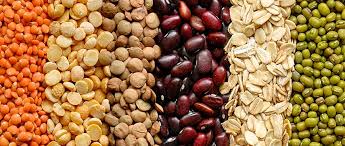
Pulses — the broad family of dried beans, lentils, peas, and chickpeas — have been a cornerstone of the Indian diet for thousands of years. And for good reason. Modern nutritional science has repeatedly confirmed what our grandmothers already knew: pulses are among the most nutrient-dense, affordable, and sustainable foods on the planet.
"A 100g serving of cooked lentils provides approximately 9g of protein, 8g of dietary fibre, and significant amounts of iron, folate, and potassium — all for just 116 calories."
The Nutritional Powerhouse in Your Dal
What makes pulses so exceptional is their unique combination of macronutrients and micronutrients. Unlike most plant foods, pulses deliver meaningful protein content — making them indispensable for vegetarians and vegans, and an excellent complement to animal protein for everyone else.
Key Nutrients in Common Pulses
- Protein: 6–9g per 100g cooked — essential for muscle repair and immune function
- Dietary Fibre: Both soluble and insoluble fibre for gut health and satiety
- Iron & Folate: Critical for blood health, especially important for women
- Potassium & Magnesium: Support heart health and blood pressure regulation
- Complex Carbohydrates: Slow-release energy with a low glycaemic index
- Zero Cholesterol: Naturally heart-friendly
Health Benefits Backed by Science
1. Heart Health
Regular consumption of pulses is associated with reduced LDL ("bad") cholesterol levels. The soluble fibre in lentils and beans binds to cholesterol in the digestive tract and helps eliminate it, protecting your cardiovascular system over time.
2. Blood Sugar Management
Pulses have a low glycaemic index (GI), meaning they cause a gradual rise in blood sugar rather than sharp spikes. This makes them an excellent dietary choice for people with diabetes or those at risk of developing it.
3. Weight Management
The combination of protein and fibre in pulses promotes satiety — the feeling of fullness that keeps you from overeating. Studies show that people who include legumes in their diet regularly tend to have healthier body weights.
4. Gut Health
The prebiotic fibre in pulses feeds beneficial bacteria in your gut, supporting a healthy microbiome. A thriving gut microbiome is linked to better digestion, stronger immunity, and even improved mental health.
5. Bone Strength
Pulses are a good source of calcium, magnesium, and phosphorus — all essential minerals for maintaining bone density, particularly as we age.
Popular Pulses in the Indian Kitchen
- Chana Dal (Split Bengal Gram): High protein, great for making dal, chutney, and besan
- Moong Dal (Green Lentils): Easiest to digest, perfect for khichdi and soups
- Toor Dal (Split Pigeon Peas): The backbone of sambar and everyday dal
- Masoor Dal (Red Lentils): Fast-cooking, rich in iron and folate
- Urad Dal (Black Gram): Base for idli, dosa, and dal makhani
How Much Should You Eat?
Nutritionists recommend consuming at least one serving (about ½ cup cooked) of pulses every day. The World Health Organization and the United Nations have even declared 2016 the "International Year of Pulses" to promote their consumption globally.
In India, incorporating a bowl of dal into your daily meals is not just tradition — it is one of the simplest and most effective ways to ensure balanced nutrition for the entire family.
"Replacing just one serving of red meat per week with pulses can reduce your carbon footprint and improve your health simultaneously — pulses use 10 times less water to produce than beef."
Quality Matters
The nutritional value of pulses depends heavily on their freshness, storage conditions, and purity. Old, improperly stored pulses lose nutritional potency and develop off-flavours. At HEXA Food, every batch of pulses is sourced directly from certified farms, cleaned, graded, and packed hygienically to lock in freshness and nutrition.