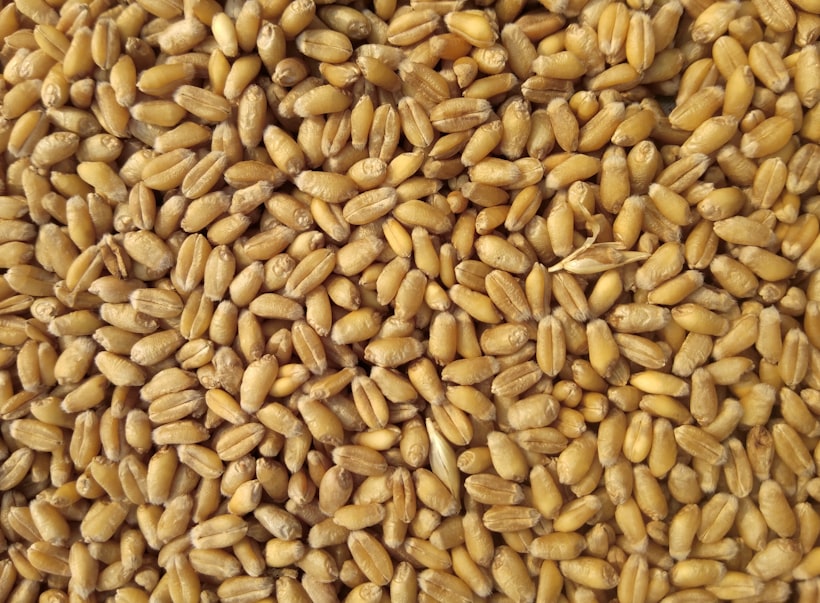
Walk into any Indian kitchen and you will find at least two types of flour — atta (whole wheat) and maida (refined flour). While both come from the same wheat grain, the journey from field to packet makes them nutritionally worlds apart. Understanding this difference can significantly impact the health choices you make for yourself and your family every day.
The Anatomy of a Wheat Grain
A wheat grain has three distinct parts, each with its own nutritional role:
- Bran (outer layer): Rich in dietary fibre, B vitamins, iron, zinc, copper, and magnesium
- Germ (embryo): The most nutrient-dense part — packed with B vitamins, Vitamin E, healthy fats, antioxidants, and phytochemicals
- Endosperm (inner starchy core): Mostly starch and a small amount of protein — the least nutritious part
"Whole wheat atta retains all three parts of the grain. Maida (refined flour) retains only the endosperm — discarding up to 75% of the grain's original nutrients in the milling process."
Nutritional Comparison
| Nutrient (per 100g) | Whole Wheat Atta | Refined Maida |
|---|---|---|
| Dietary Fibre | 10–13g | 2–3g |
| Protein | 13–15g | 10–11g |
| Iron | 3.5mg | 1.2mg |
| Magnesium | 138mg | 22mg |
| Vitamin B1 (Thiamine) | 0.4mg | 0.08mg |
| Glycaemic Index | ~54 (Low–Medium) | ~85 (High) |
| Antioxidants | High (from bran & germ) | Negligible |
Health Implications
Blood Sugar and Diabetes Risk
Maida has a very high glycaemic index — it digests rapidly and causes sharp spikes in blood sugar. Regular consumption is strongly linked to increased risk of Type 2 diabetes, particularly in South Asian populations who are already genetically predisposed. Whole wheat atta, with its fibre intact, digests slowly and causes gradual, sustained energy release.
Digestive Health
The fibre in whole grain atta feeds beneficial gut bacteria, promotes regular bowel movements, and reduces the risk of constipation, diverticular disease, and colon cancer. Maida, stripped of its fibre, provides no benefit to the gut and can actually worsen digestive issues for many people.
Heart Disease
Whole grains are consistently associated with reduced risk of cardiovascular disease. The combination of fibre, antioxidants, and magnesium in whole wheat helps reduce LDL cholesterol, lower blood pressure, and reduce inflammation — all key factors in heart health.
Weight Management
Whole grain flours keep you fuller for longer due to their higher fibre and protein content. This natural satiety mechanism helps control overall calorie intake without the need for calorie counting.
When Is Refined Flour Appropriate?
Maida certainly has its place in the kitchen. For certain preparations — flaky pastries, certain breads, naan, deep-fried snacks, or delicate baked goods — its fine texture and gluten structure produce results that whole wheat cannot replicate. The key is proportion and frequency: using maida occasionally for specific preparations rather than as a daily staple.
Choosing the Right Atta
Not all whole wheat atta is created equal. Key factors to consider:
- Stone-ground vs roller-milled: Stone-ground atta preserves the germ and its oils better, resulting in higher nutritional retention
- Wheat variety: Hard wheat varieties have higher protein content, better for chapati texture
- Freshness: Whole wheat flour goes rancid faster than refined flour due to the natural oils in the germ. Buy from suppliers who maintain proper storage
- Purity: Adulteration with cheaper flours is common — always source from trusted, FSSAI-certified suppliers
Beyond Atta — Other Nutritious Flour Options
- Besan (Gram Flour): Made from chana dal — high protein, high fibre, gluten-free, low GI. Excellent for pakoras, cheela, and kadhi
- Jowar Flour: Rich in antioxidants, gluten-free, high fibre. Traditional in Maharashtra and Karnataka
- Bajra Flour: Pearl millet flour — rich in iron and magnesium, warming in winter
- Ragi (Finger Millet) Flour: Highest calcium content of any grain — excellent for bone health
"At HEXA Food, our whole wheat atta is sourced from premium wheat-growing regions, stone-milled where possible, and packed fresh to preserve the natural oils and nutrients of the bran and germ."
The switch from maida to whole grain flour in your daily cooking is one of the simplest, highest-impact dietary changes a family can make. It requires no significant adjustment in cooking technique — just a commitment to choosing the less-processed option, rooted in centuries of Indian food wisdom.